




Experiment
„PlayTime“
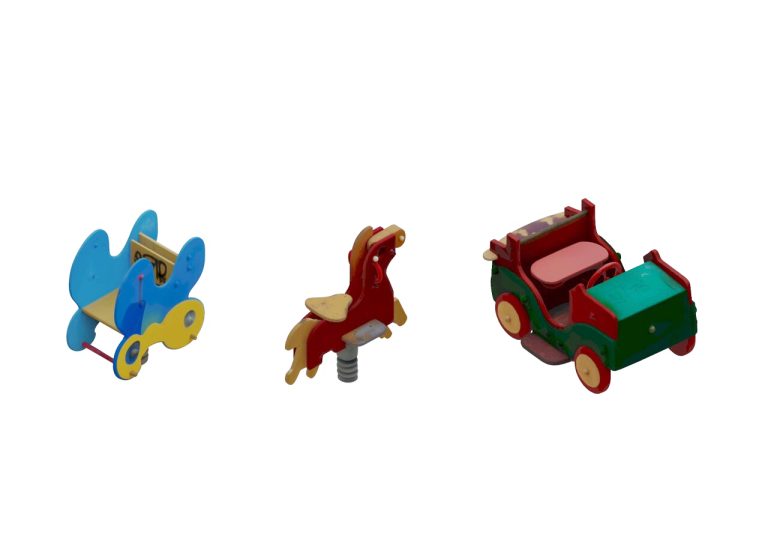
The experiment PlayTime investigates the role of designated playgrounds in Vilnius, as well as their relationship with the surrounding environment, and explores how the city itself might become a landscape for play. Prompted by the repetitive and standardised character of many existing playgrounds, Uljana and Ieva seek to rethink play beyond prescribed equipment and enclosed spaces. The inquiry emerges from a competition curated by the Traveling Architecture Workshop, which sparked a deeper curiosity into gathering and play spaces.
Drawing inspiration from Aldo van Eyck’s urban playgrounds, Francis Alÿs’ observations of children’s games, and Nadja Monnet and Mouloud Boukala’s research on children’s use of public space, the experiment will examine how the conditions of Vilnius’s existing playgrounds could be reconsidered. Current playgrounds often appear as sterile environments with limited diversity in use(rs) and experience. Through mapping, observation, and spatial tests, it will look at how different urban situations can be used for play.
The experiment opens questions: How could playgrounds encourage children to explore, experiment, and take ownership of their environment? In which ways can playgrounds be more inclusive? What urban elements afford play? How little is needed to make space for play?